Technical specifications
- Sensor
- Super35 CMOS
- Sensor Size
- 26.2 x 13.8 mm
- Megapixels
- 8.85
- Mount
- Canon EF
- Max Resolution
- 4K DCI (4096x2160)
- Max Frame Rate
- 120 fps (4K), 180 fps (2K)
- Codec
- Cinema RAW Light, XF-AVC
- Dynamic Range
- 16 Stops
- ISO Range
- ISO 2–102400
- Log / Gamma
- Canon Log 2, Canon Log 3, HDR-HLG, HDR-PQ, Rec709, Wide DR
- Autofocus
- Dual Pixel CMOS AF
- Stabilization
- Electronic Image Stabilization
- ND Filter
- 2–10 stop (5-position wheel)
- Ports
- 1x BNC (12G-SDI), 1x BNC (Unspecified SDI), 1x HDMI, 2x XLR 3-Pin Microphone Input on Camera Body (+48 V Phantom Power), 1x 1/8" / 3.5 mm TRS Stereo Microphone Input on Camera Body, 1x 1/8" / 3.5 mm TRS Stereo Headphone Output on Camera Body, 1x XLR 4-Pin (24VDC at 2 A), 1x BNC (Timecode) Input/Output, 1x 2.5 mm Sub-Mini (LANC) Control
- Battery
- Canon BP-A Series
- Weight
- 1750g
- Dimensions
- 183 x 148 x 189 mm
- MSRP
- $10,999
Add your voice
Your ratings help other filmmakers choose the right camera.
Own it?
What do you use this for?
Field guide
Overview
The Canon EOS C300 Mark III is a powerhouse in the Cinema EOS lineup, designed for cinematographers who demand high-end image quality without the bulk of a full-frame cinema camera. It sits in a sweet spot for documentary and narrative filmmakers, offering a Super 35mm-equivalent CMOS sensor that delivers exceptional dynamic range and color science. It is a direct competitor to cameras like the Sony FX6 or the Blackmagic URSA Mini Pro, but it distinguishes itself with its modular design and the robust Cinema RAW Light codec, which provides the flexibility of RAW without the massive storage overhead of uncompressed formats.
What makes this camera truly interesting is its versatility in recording formats and sensor modes. It handles both Cinema RAW Light and XF-AVC internally, allowing for a seamless transition between high-end production and fast-turnaround broadcast workflows. The inclusion of Dual Pixel CMOS AF is a game-changer for solo operators, providing reliable, smooth autofocus that feels more like a dedicated focus puller than a standard camera feature. The modularity also means you can strip it down for gimbal work or build it up for a full studio rig with ease.
This camera is an ideal choice for documentary shooters who need to move quickly but refuse to compromise on image quality, as well as narrative filmmakers looking for a reliable A-camera that can handle high-frame-rate slow motion. Its ability to record proxy files simultaneously to an SD card while capturing primary RAW footage to CFexpress makes it a dream for editors, significantly streamlining the post-production pipeline.
Pros & Cons
Pros
Dual Pixel CMOS AF provides industry-leading autofocus performance, making it a massive advantage for solo operators and documentary work.
Cinema RAW Light offers high-quality, flexible RAW files that are significantly easier to manage in post-production than standard RAW.
Built-in motorized ND filters (up to 10 stops with extended range) allow for precise exposure control without needing external matte boxes.
Modular design allows the camera to be stripped down for gimbals or built up for studio configurations, offering great flexibility.
Simultaneous proxy recording to SD cards while recording primary RAW to CFexpress cards is a huge time-saver for offline editing workflows.
Cons
CFexpress cards can become extremely hot during operation, posing a risk of burns or card damage if removed immediately after heavy use.
Digital image stabilization is not available when recording in RAW, limiting handheld options for high-end projects.
The camera is relatively heavy at 1,750g for the body alone, which can lead to fatigue during long handheld shooting days.
Slow & fast motion recording disables audio recording, which can be a major drawback for documentary interviews or B-roll that requires sync sound.
The camera requires specific, often expensive CFexpress Type B cards for primary recording, adding to the overall cost of ownership.
Best Settings
Narrative Filmmaking
- Format: Cinema RAW Light
- Resolution: 4096x2160
- Frame Rate: 23.98P or 24.00P
- ISO: 800 (Base for Canon Log 2/3)
- Why: RAW provides the maximum dynamic range and color grading flexibility required for high-end narrative color pipelines.
Documentary / Run-and-Gun
- Format: XF-AVC (Intra-frame)
- Resolution: 4096x2160
- Frame Rate: 23.98P or 29.97P
- AF Mode: Continuous AF with Face Priority
- Why: XF-AVC is highly efficient and easier to edit directly, while Continuous AF ensures you never miss a shot during unpredictable events.
Interview & Talking Head
- Format: XF-AVC
- Resolution: 4096x2160
- Audio: 24-bit Linear PCM via XLR INPUT 1/2
- Why: Using the XLR inputs ensures professional-grade audio quality, and XF-AVC provides a reliable, broadcast-ready file format.
Slow Motion
- Format: RAW or XF-AVC
- Frame Rate: 60fps to 120fps (depending on sensor mode)
- Note: Audio is disabled in Slow & Fast motion mode. Ensure you have enough light, as higher frame rates may require higher ISOs.
Common Issues
Camera Overheating
What's happening: The camera displays a yellow or red 'b' icon, indicating high internal temperatures. Why: Continuous high-bitrate recording or high ambient temperatures can cause the camera to heat up. Fix: Ensure the cooling fan is set to 'Automatic'. If the icon turns red, the camera may shut down to protect itself; allow it to cool down in a well-ventilated area. Prevention: Avoid blocking the air vents and keep the camera out of direct, intense sunlight during long shoots.
Recording Fails or Stops
What's happening: The REC button does not trigger recording, or recording stops unexpectedly. Why: The card may be full, fragmented, or the clip count has reached the 999 limit. Fix: Initialize the card via the menu (Recording/Media Setup > Initialize Media) to clear fragmentation and free space. Prevention: Always initialize cards in-camera before starting a new, important project.
Autofocus Not Locking
What's happening: The camera struggles to find focus on the subject. Why: The subject may be low-contrast, or the lens is not communicating properly with the camera. Fix: Clean the lens contacts with a soft cloth and reattach the lens. If the issue persists, switch to manual focus or use the AF-boosted MF mode. Prevention: Regularly clean the lens mount and electronic contacts.
Audio Distortion
What's happening: Recorded audio sounds clipped or distorted. Why: The input level is set too high for the source, or the microphone attenuator is off. Fix: Activate the microphone attenuator (20 dB) or manually adjust the recording levels using the audio level switches on the camera body. Prevention: Always perform a sound check and monitor levels with headphones before rolling.
FAQ
- Can the Canon EOS C300 Mark III record RAW internally?
Yes, the Canon EOS C300 Mark III records Cinema RAW Light internally to CFexpress cards. This format provides high-quality, full-sensor data that is ideal for HDR and extensive color grading.
- Does the Canon EOS C300 Mark III have built-in ND filters?
Yes, it features a built-in, motor-operated ND filter system. By default, it offers 2, 4, and 6 stops, and can be extended to 8 or 10 stops using the extended ND range setting.
- What memory cards does the Canon EOS C300 Mark III use?
It uses CFexpress Type B cards for primary clips and SD/SDHC/SDXC cards for proxy clips and photos. CFexpress cards are required for high-bitrate recording.
- Can the Canon EOS C300 Mark III shoot 4K at 120fps?
Yes, the camera supports high frame rates for slow motion. In Super 16mm (Cropped) sensor mode, it can record up to 120fps or even 180fps depending on the specific configuration.
- Is the Canon EOS C300 Mark III a full-frame camera?
No, the Canon EOS C300 Mark III uses a Super 35mm-equivalent CMOS sensor. It is designed specifically for the Super 35mm format, which is a standard for cinema production.
- Does the Canon EOS C300 Mark III have autofocus?
Yes, it features Canon's Dual Pixel CMOS AF technology. It supports various modes including One-shot AF, AF-boosted MF, and Continuous AF with face detection and subject tracking.
- Can I record proxy files on the Canon EOS C300 Mark III?
Yes, you can record XF-AVC proxy clips to an SD card simultaneously while recording primary RAW clips to a CFexpress card. This is highly recommended for efficient offline editing workflows.
- What is the maximum power consumption of the Canon EOS C300 Mark III?
The maximum power consumption is 63 W. Typical power consumption during recording is approximately 31-34 W depending on the sensor mode and frame rate.
Recommended Accessories
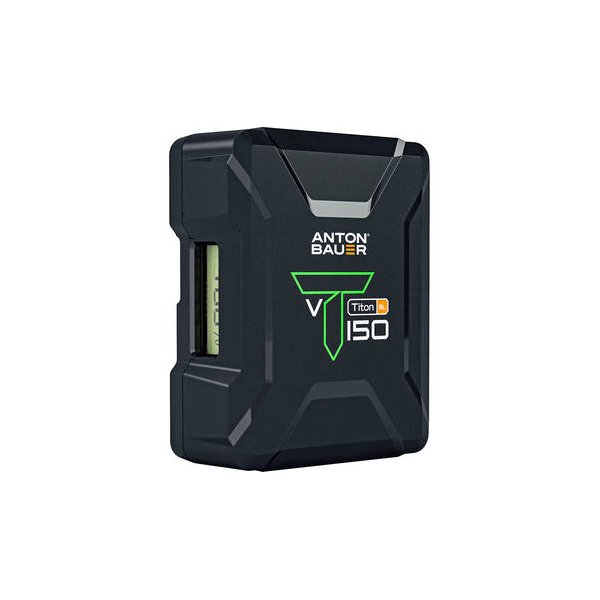
Anton/Bauer Titon 150 Gold Mount Lithium-Ion Battery
Anton/Bauer
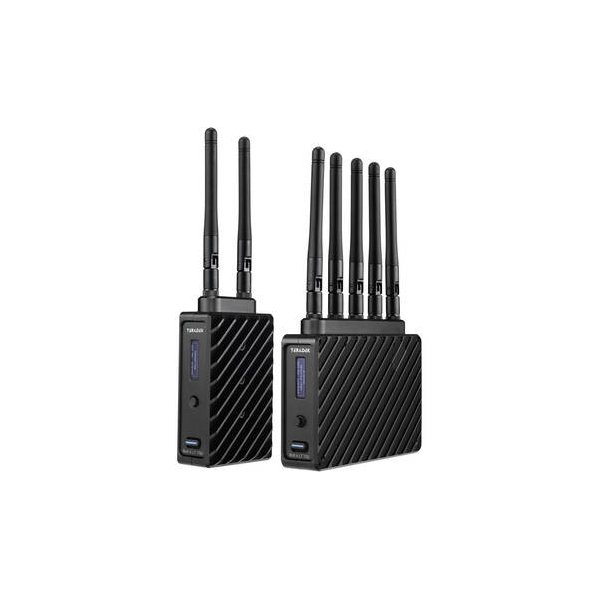
Teradek Bolt 6 LT 1500 3G-SDI/HDMI Wireless RX/TX Deluxe Kit (V-Mount)
Teradek
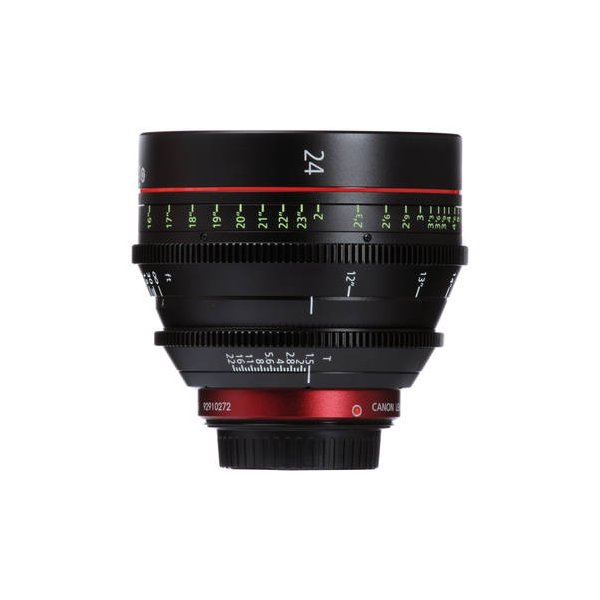
Canon CN-E 85mm T1.3 L F Cinema Prime Lens (EF Mount)
Canon
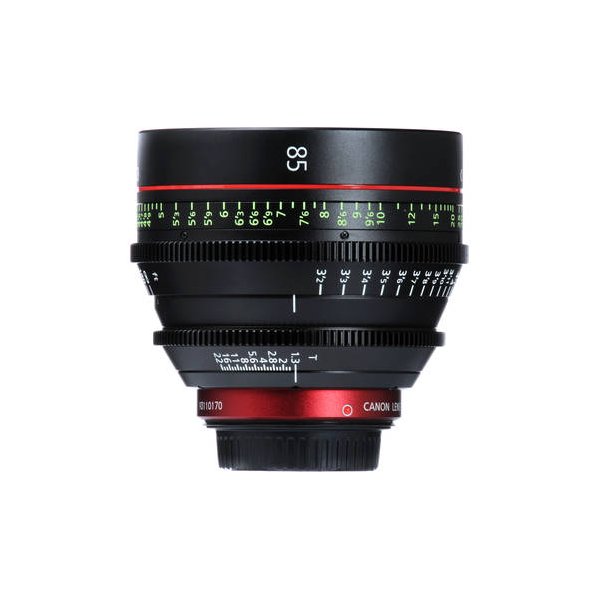
Canon CN-E LF Cinema Prime 4-Lens Kit (Canon EF)
Canon
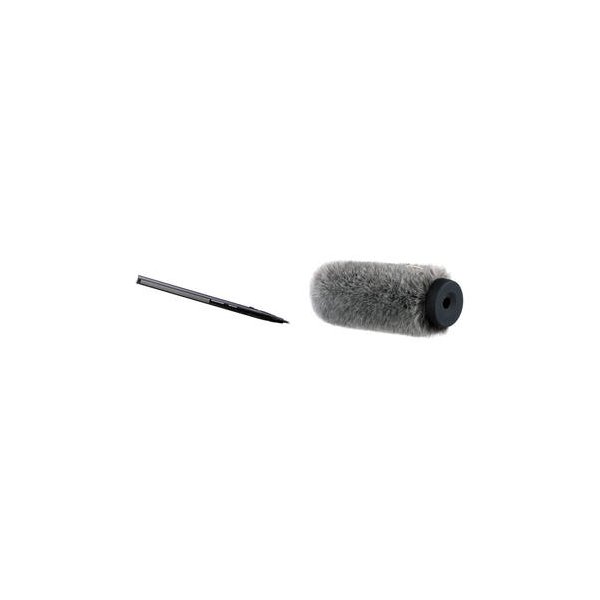
Sennheiser MKH 416-P48U3 Moisture-Resistant Shotgun Microphone
Sennheiser
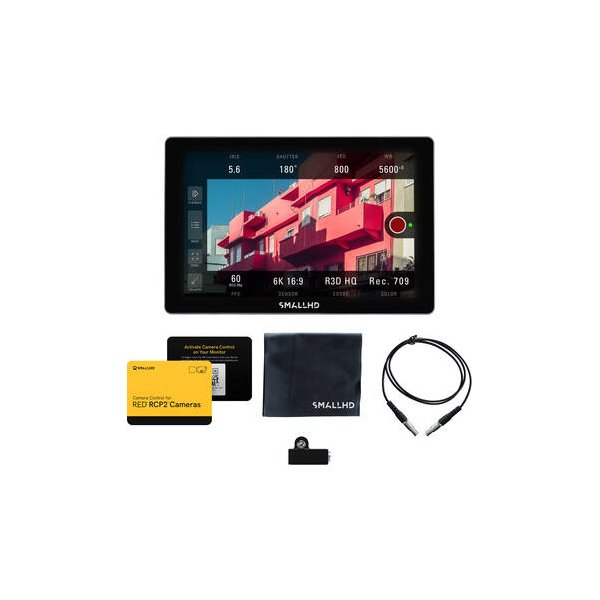
SmallHD Cine 7 Touchscreen On-Camera Monitor (L-Series)
SmallHD
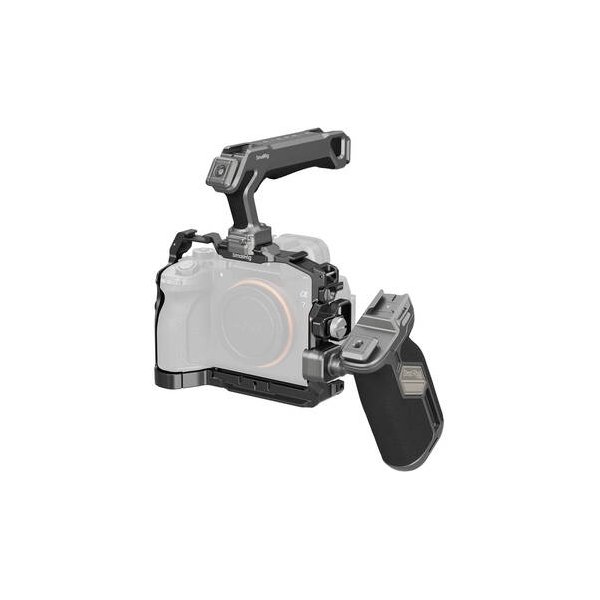
SmallRig HawkLock Quick Release Advanced Cage Kit for Sony a7R V, a7 IV & a7S III
SmallRig
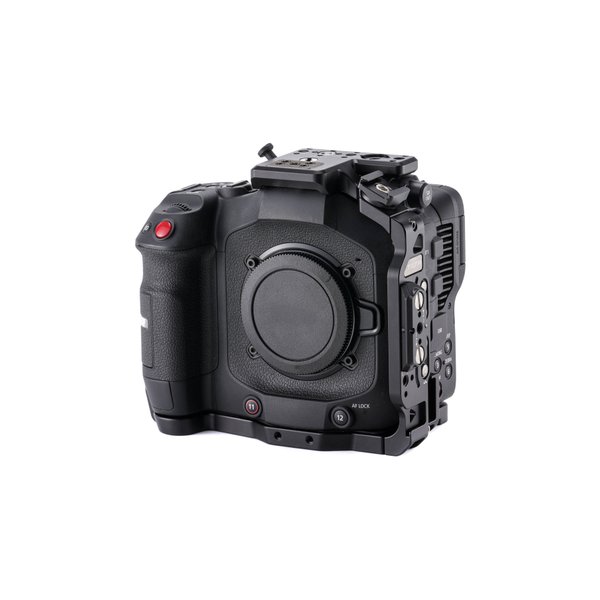
Tilta Camera Cage for Canon C80 (Base Kit)
Tilta
Related comparisons
The C300 Mark III is a modular cinema workhorse; the C70 is a compact, run-and-gun powerhouse.
See full comparison EOS C300 Mark III vs FX6The C300 Mark III offers superior image quality and professional I/O, while the FX6 excels in low-light and run-and-gun.
See full comparison EOS C300 Mark III vs KOMODO 6KThe C300 Mark III is a robust production workhorse with integrated features; the KOMODO 6K offers a global shutter and compact RAW power.
See full comparison EOS C300 Mark III vs EOS C400The EOS C400 brings full-frame 6K and RF mount to a lighter body, while the C300 Mark III remains a robust Super35 workhorse.
See full comparison