Specs at a glance
Summary
For filmmakers embracing modern full-frame aesthetics and the RF lens ecosystem, the new EOS C400 is the clear choice, offering 6K resolution and advanced Dual Pixel CMOS AF II at a significantly more accessible price point. However, productions heavily invested in Canon's vast EF lens library will find the C300 Mark III a familiar and capable Super35 option, albeit with a lower maximum resolution and older AF system.
Which would you pick?
Vote once per day — come back tomorrow to vote again.
Highlights
EOS C400
- Sensor & Image Science: Full-Frame BSI Stacked CMOS sensor delivers superior low-light performance and a shallower depth of field.
- Resolution & Codec: Internal 6K (6000x3164) recording with Cinema RAW Light and H.265 for high-quality, flexible post-production.
- Autofocus: Next-generation Dual Pixel CMOS AF II provides faster, more accurate subject tracking and detection.
- Lens Mount: Native Canon RF mount opens up access to cutting-edge RF lenses and adapters for EF/PL.
- Form Factor: Lighter (1500g) and more compact design, ideal for gimbal work and smaller crews.
EOS C300 Mark III
- Sensor & Image Science: Super35 DGO (Dual Gain Output) sensor excels in dynamic range, capturing 16 stops with exceptional detail in highlights and shadows.
- Lens Mount: Canon EF mount offers compatibility with an enormous existing library of professional cinema and stills lenses.
- Codec Versatility: Robust internal Cinema RAW Light and XF-AVC recording options provide excellent flexibility for various workflows.
- Established Ecosystem: A proven and widely adopted camera in the industry, with extensive accessory support and rental availability.
The trade-off
Choosing the EOS C400 means giving up native EF lens compatibility and the established Super35 DGO sensor. Choosing the EOS C300 Mark III means giving up full-frame sensor benefits, 6K resolution, and the advanced Dual Pixel CMOS AF II.
Best for…
Future-Proofing & Modern Lenses
EOS C400
native RF mount and full-frame sensor for cutting-edge optics.
Existing EF Lens Owners
EOS C300 Mark III
seamless integration with a vast, established EF lens collection.
High-Resolution Deliverables
EOS C400
internal 6K recording provides more flexibility for reframing and VFX.
Run-and-Gun / Documentary
EOS C400
lighter body and superior Dual Pixel CMOS AF II for fast-paced shoots.
Value & Performance
EOS C400
delivers full-frame 6K at a lower MSRP than the C300 Mark III.
What to pair it with
EOS C400
- Canon RF 24-70mm f/2.8L IS USM (Canon) — versatile zoom for full-frame coverage and excellent image quality.
- SmallRig V-Mount Battery Plate (SmallRig) — powers camera and accessories for extended shooting times.
- Atomos Ninja V+ (Atomos) — external monitor/recorder for ProRes RAW monitoring and backup.
- Tilta Full Camera Cage (Tilta) — adds mounting points and protection for a robust rig setup.
EOS C300 Mark III
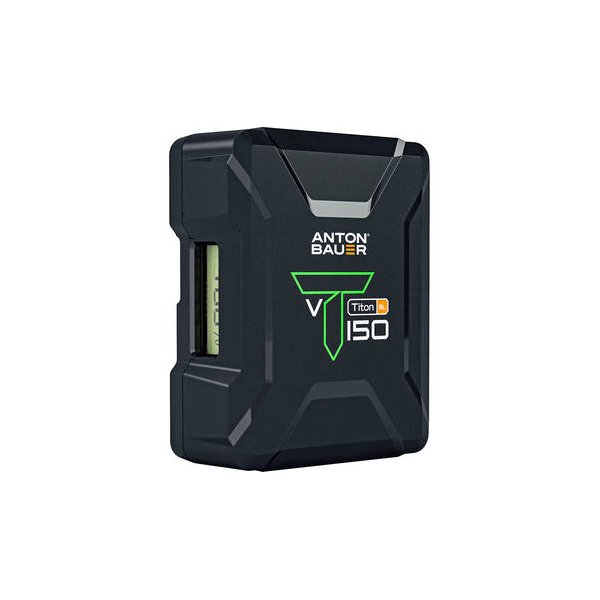
Anton/Bauer Titon 150 Gold Mount Lithium-Ion Battery
Anton/Bauer
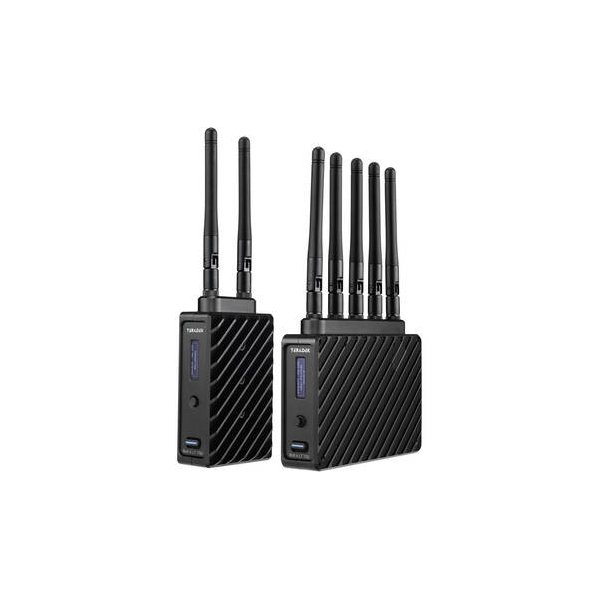
Teradek Bolt 6 LT 1500 3G-SDI/HDMI Wireless RX/TX Deluxe Kit (V-Mount)
Teradek
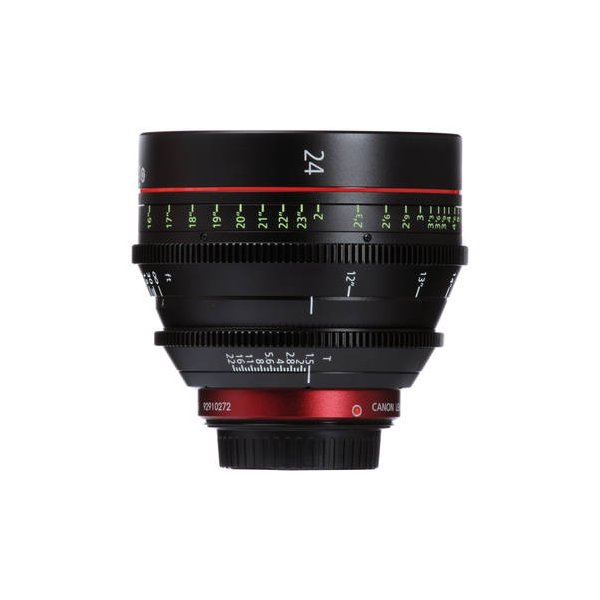
Canon CN-E 85mm T1.3 L F Cinema Prime Lens (EF Mount)
Canon
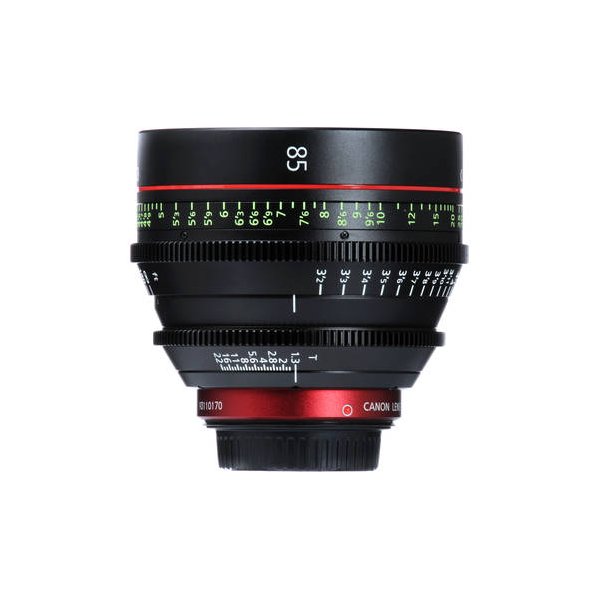
Canon CN-E LF Cinema Prime 4-Lens Kit (Canon EF)
Canon
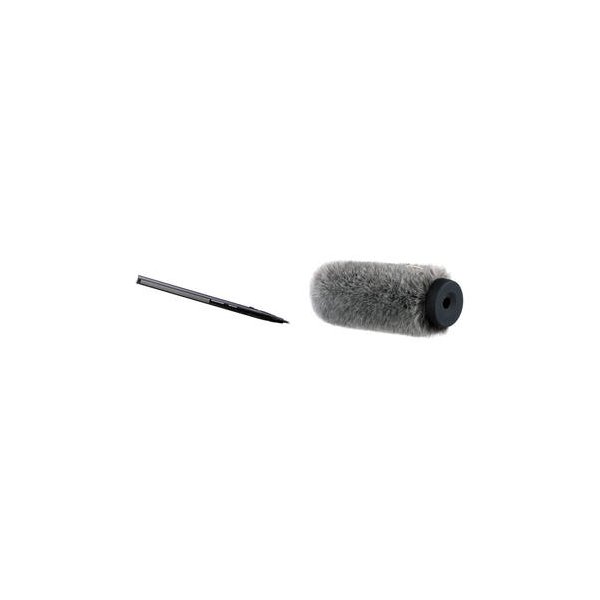
Sennheiser MKH 416-P48U3 Moisture-Resistant Shotgun Microphone
Sennheiser
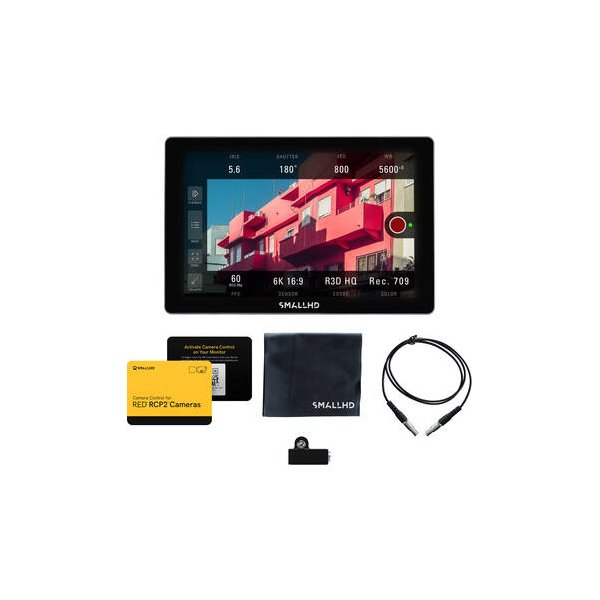
SmallHD Cine 7 Touchscreen On-Camera Monitor (L-Series)
SmallHD