Specs at a glance
Summary
For filmmakers prioritizing cinematic image quality and reliable autofocus, the Sony FX30 with its larger APS-C sensor and 14+ stops of dynamic range is the clear choice. Hybrid shooters and live streamers will find the LUMIX GH5 II's robust internal codecs and 6.5 stops of Dual I.S. 2 more appealing for its versatility and handheld performance.
Which would you pick?
Vote once per day — come back tomorrow to vote again.
Highlights
LUMIX GH5 II
- Stabilization: 5-axis Sensor-Shift, Dual I.S. 2 provides up to 6.5 stops of correction for stable handheld footage.
- Video Codecs: C4K/4K 60p 4:2:0 10-bit internal recording with ALL-Intra and LongGOP options for flexible post-production.
- Connectivity: Built-in live streaming capabilities directly from the camera, ideal for content creators.
- Lens Ecosystem: Micro Four Thirds mount offers a vast, compact, and often more affordable lens selection.
FX30
- Sensor & Image Science: Larger Exmor R APS-C CMOS sensor (23.5 x 15.6 mm) delivers shallower depth of field and better low light.
- Dynamic Range: 14+ stops of dynamic range provides exceptional highlight and shadow recovery for grading.
- Autofocus: Real-time Eye/Face AF ensures precise and reliable subject tracking, crucial for solo shooters.
- High Frame Rates: Records 4K up to 120fps and HD up to 240fps for impressive slow-motion capabilities.
- Output: 16-bit RAW output via HDMI offers maximum post-production flexibility and image fidelity.
The trade-off
Choosing the LUMIX GH5 II means sacrificing the larger APS-C sensor and 14+ stops of dynamic range found in the FX30. Opting for the FX30 means giving up the GH5 II's advanced 6.5 stops of Dual I.S. 2 and versatile internal ALL-Intra codecs.
Best for…
Narrative / Controlled Sets
FX30
14+ stops DR and 16-bit RAW output for grading.
Documentary / Run-and-Gun
FX30
superior Real-time AF and cinematic image quality.
Live Streaming / Hybrid Content
LUMIX GH5 II
built-in live streaming and robust internal codecs.
Vlogging / Handheld
LUMIX GH5 II
6.5 stops of Dual I.S. 2 for incredibly stable footage.
Budget Cinema
FX30
excellent image quality and cinema features at an accessible price.
What to pair it with
LUMIX GH5 II
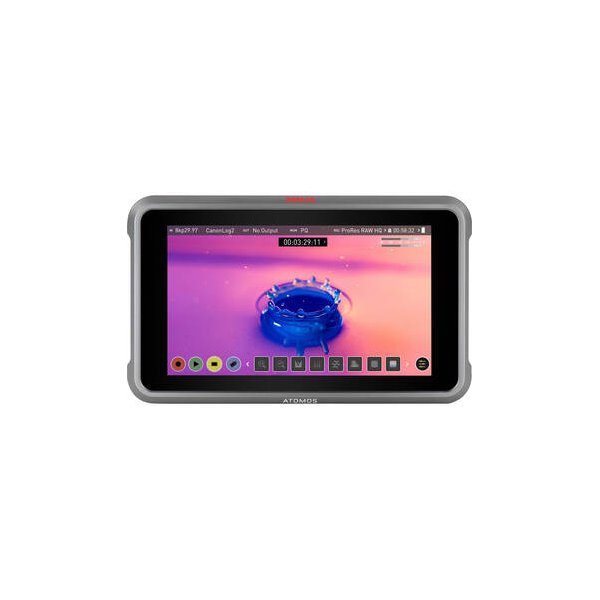
Atomos Ninja 5.2" 4K HDMI Recording Monitor
Atomos
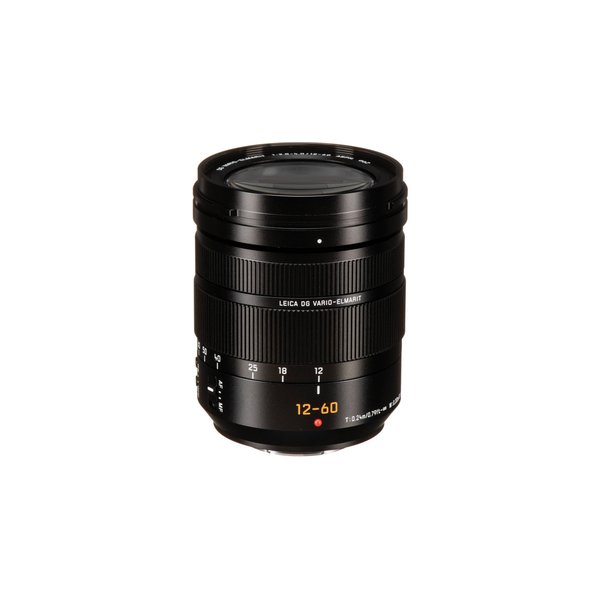
Panasonic Leica DG Vario-Elmarit 12-60mm f/2.8-4 ASPH. POWER O.I.S. Lens
Panasonic
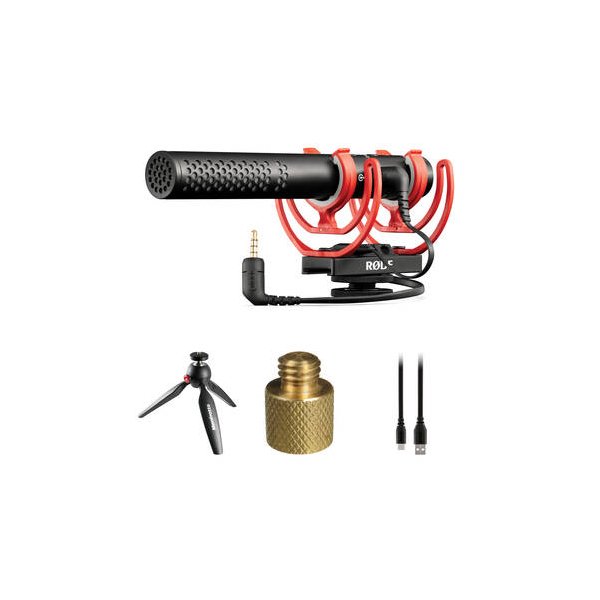
RODE VideoMic NTG Hybrid Analog/USB Camera-Mount Shotgun Microphone
RODE
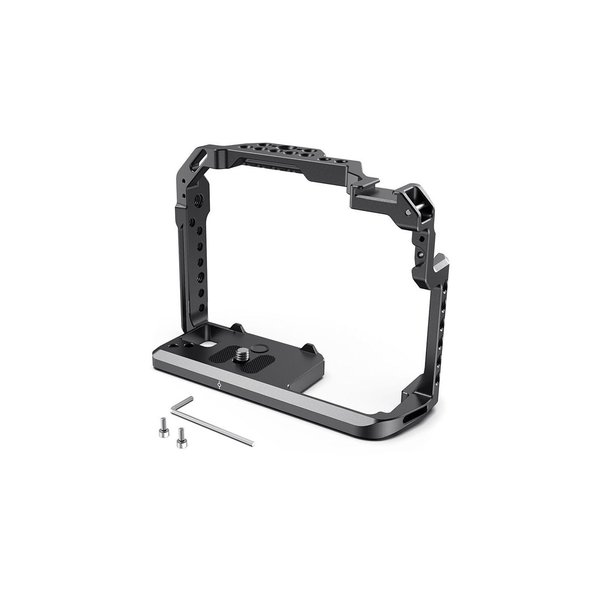
SmallRig Camera Cage for Panasonic GH5/GH5 II and GH5S
SmallRig
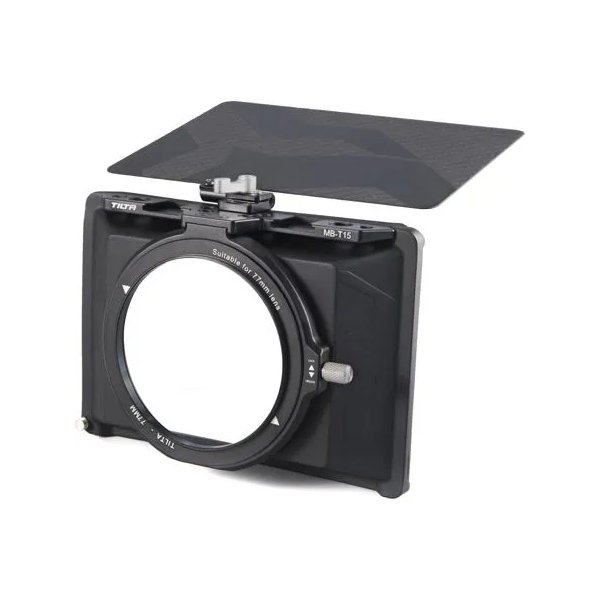
Tilta Mini Matte Box
Tilta
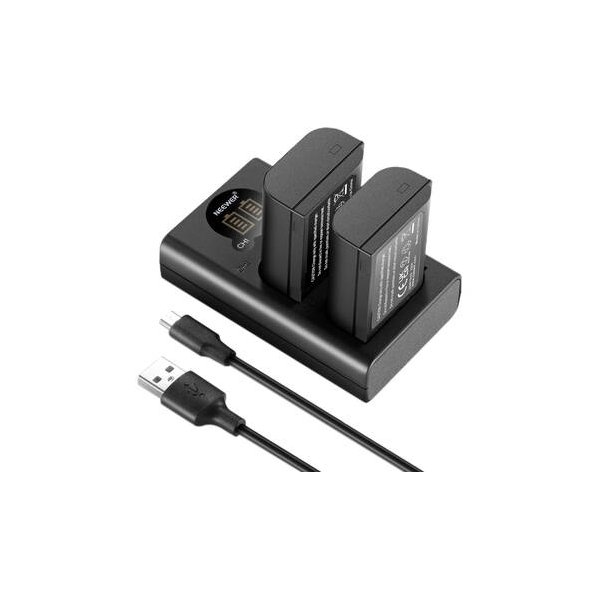
Watson DMW-BLK22 Lithium-Ion Battery Pack (2250mAh)
Watson
FX30
Atomos Ninja 5.2" 4K HDMI Recording Monitor
Atomos
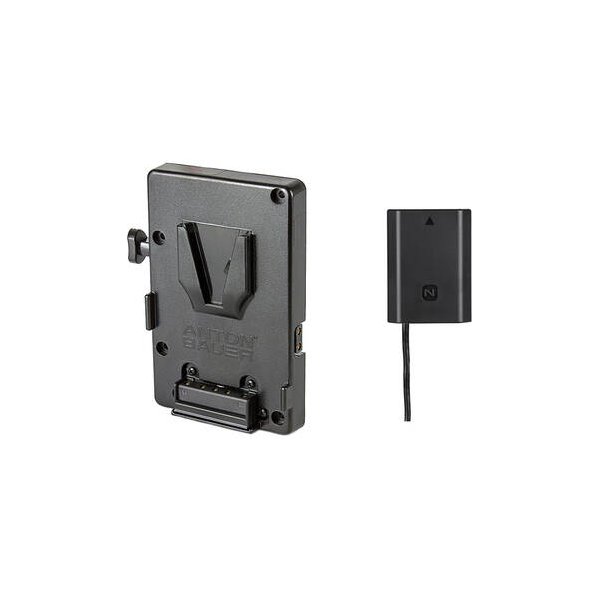
Bescor Multi-Output V-Mount Battery Plate with FZ100 Dummy Battery
Bescor
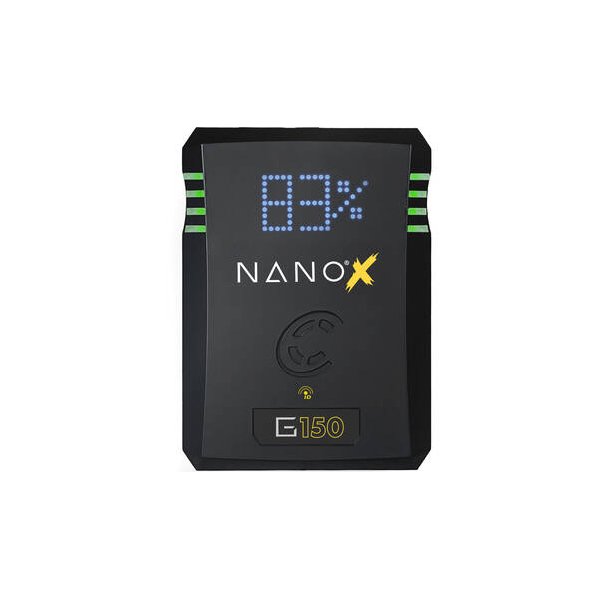
Core SWX NANO Micro 147Wh Lithium-Ion Battery (V-Mount)
Core SWX
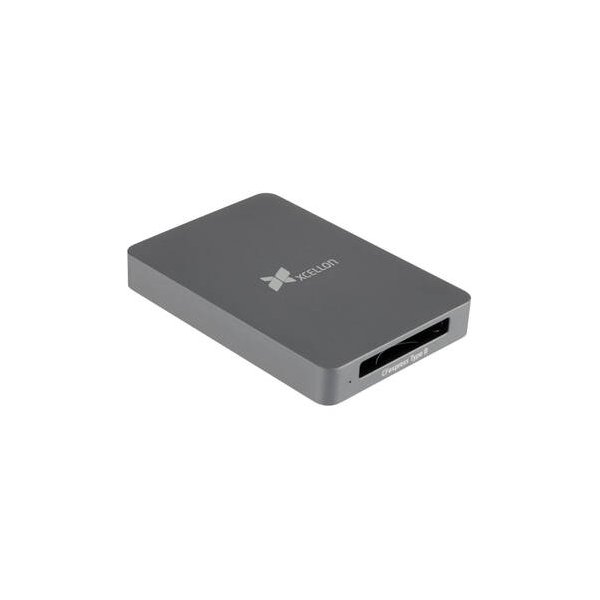
PGYTECH CreateMate CFexpress Type B/SD Card Reader Case (Moss Green)
PGYTECH
RODE VideoMic NTG Hybrid Analog/USB Camera-Mount Shotgun Microphone
RODE
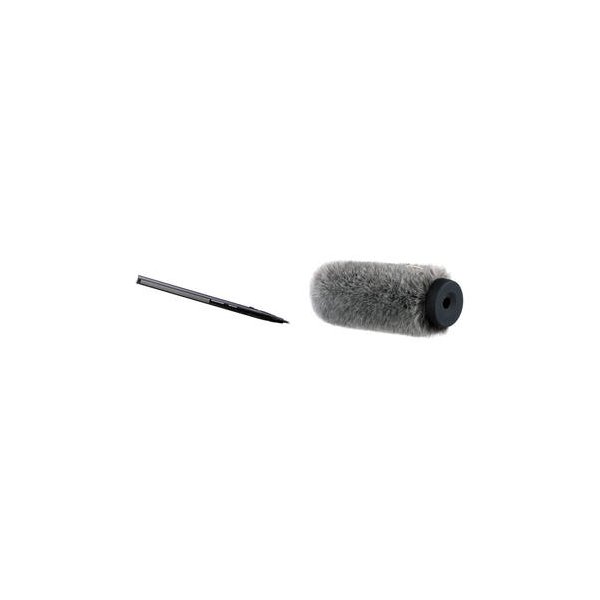
Sennheiser MKH 416-P48U3 Moisture-Resistant Shotgun Microphone
Sennheiser