Technical specifications
- Sensor
- APS-C CMOS
- Sensor Size
- 23.5 x 15.6 mm
- Megapixels
- 40.2
- Mount
- FUJIFILM X
- Max Resolution
- 6K (7680x4320)
- Max Frame Rate
- 240fps @ 1080p
- Codec
- ProRes, H.264
- ISO Range
- ISO 80–51200
- Autofocus
- Phase-detect, 425 points
- Stabilization
- Sensor-Shift, 5-Axis
- Ports
- 1x HDMI, 1x 1/8" / 3.5 mm TRRS Headphone/Microphone Input/Output, 1x 1/8" / 3.5 mm TRRS Headphone/Microphone Input/Output, 1x USB-C Input/Output, 1x USB-C Data Input (Shared with Power Input)
- Battery
- 1x NP-W235 Rechargeable Lithium-Ion, 7.2 VDC (Included)<br>• Approx. 680 Shots
- Weight
- 579g
- Dimensions
- 136.3 x 92.9 x 84.6 mm
- MSRP
- $1,999
Add your voice
Your ratings help other filmmakers choose the right camera.
Own it?
What do you use this for?
Field guide
Overview
The Fujifilm X-H2 is a powerhouse in the APS-C mirrorless market, designed for creators who demand high-resolution output without the bulk of a full-frame system. Built around a 40.2-megapixel X-Trans CMOS 5 HR sensor, it positions itself as a top-tier tool for both professional stills and high-end video production. It competes directly with high-resolution full-frame cameras, offering a unique balance of speed, detail, and a compact lens ecosystem that makes it a compelling choice for hybrid shooters.
Beyond its impressive sensor, the X-H2 is packed with features that cinematographers will appreciate, including internal 8K recording, ProRes support, and a robust cooling fan accessory for extended shooting sessions. The camera also features a sophisticated subject detection autofocus system and in-body image stabilization, making it a versatile workhorse for everything from studio portraiture to run-and-gun documentary filmmaking.
Whether you are a professional photographer needing massive print resolution or a filmmaker looking for a compact A-cam that doesn't compromise on codec quality, the X-H2 is a serious contender. Its deep menu system and extensive customization options allow it to be tailored to almost any production workflow, provided you are willing to master its complex interface.
Pros & Cons
Pros
40.2MP sensor provides exceptional detail, rivaling many full-frame cameras in resolution.
Internal 8K video recording offers massive flexibility for cropping and reframing in post.
ProRes support (HQ/422/LT) provides a professional-grade codec workflow directly in-camera.
Dual card slots (CFexpress Type B and SD UHS-II) offer both high-speed performance and reliable backup.
Optional cooling fan accessory is a game-changer for preventing overheating during long-form 8K or high-frame-rate shoots.
Cons
The 40.2MP sensor is more demanding on lens resolution, potentially requiring an upgrade to your existing glass.
High-resolution files result in significantly larger storage requirements and slower post-production processing times.
The menu system is extremely deep and complex, which can be intimidating for users transitioning from simpler systems.
Rolling shutter can be an issue in some high-resolution or high-frame-rate modes compared to stacked sensor designs.
The camera body is larger and heavier than some other APS-C models, which may impact portability for some users.
Best Settings
Narrative Filmmaking
- Resolution/Frame Rate: 8K or 4K (HQ) for maximum detail.
- Codec: ProRes 422 HQ for the best balance of quality and post-production flexibility.
- Picture Profile: F-Log or F-Log2 for maximum dynamic range.
- Audio: 24-bit/48kHz LPCM via XLR adapter for professional sound.
Documentary / Run-and-Gun
- Resolution/Frame Rate: 4K at 59.94P for smooth motion and flexibility.
- Codec: H.265 LongGOP 422 for efficient file sizes without sacrificing too much quality.
- Focus: Continuous AF with Subject Detection enabled for reliable tracking.
- Stabilization: IBIS/OIS + DIS for handheld stability.
Interview & Talking Head
- Resolution/Frame Rate: 4K at 23.98P or 29.97P.
- Picture Profile: Standard or ETERNA for a natural, ready-to-use look.
- Audio: Internal Mic Level Adjustment set to Manual to ensure consistent levels.
Slow Motion
- Resolution/Frame Rate: High Speed Rec mode at 120P or 240P.
- Note: High-speed recording is recorded without sound and requires choosing a specific playback rate.
Common Issues
Overheating during long recordings
- What's happening: The camera may shut down or display a temperature warning during extended 8K or high-frame-rate recording.
- Why: High-performance processing generates significant heat.
- Fix: Attach the optional FAN-001 cooling fan and set the AUTO POWER OFF TEMP. to HIGH in the POWER MANAGEMENT menu.
- Prevention: Use the cooling fan and avoid direct sunlight during long shoots.
Shutter release not working
- What's happening: The camera refuses to take a photo when the shutter button is pressed.
- Why: This is often due to a full memory card, a locked card, or the camera being in a mode where the shutter is disabled (e.g., no lens attached).
- Fix: Check the memory card status, ensure it is not locked, and if using a third-party adapter, ensure SHOOT WITHOUT LENS is set to ON.
- Prevention: Regularly format your cards and check your settings before starting a shoot.
Autofocus hunting or failing to lock
- What's happening: The camera struggles to find focus on the subject.
- Why: The subject may be low-contrast, highly reflective, or the focus area may be too small.
- Fix: Increase the focus area size or switch to a different AF mode (e.g., Zone or Wide/Tracking).
- Prevention: Ensure the lens is clean and the subject has sufficient contrast.
FAQ
- Can the Fujifilm X-H2 record 8K video?
Yes, the Fujifilm X-H2 supports internal 8K video recording. You can select this in the MOVIE MODE settings.
- What memory cards does the Fujifilm X-H2 use?
The Fujifilm X-H2 features dual card slots: one for CFexpress Type B cards and one for SD, SDHC, or SDXC (UHS-II compliant) cards.
- Does the Fujifilm X-H2 have in-body image stabilization?
Yes, the Fujifilm X-H2 is equipped with in-body image stabilization (IBIS). You can adjust this in the IS MODE settings.
- Can I use an external cooling fan with the Fujifilm X-H2?
Yes, the Fujifilm X-H2 is compatible with the FAN-001 cooling fan, which attaches to the back of the camera to allow for longer recording times.
- What is the maximum resolution of the Fujifilm X-H2 sensor?
The Fujifilm X-H2 features a 40.2-megapixel X-Trans CMOS 5 HR sensor.
- Does the Fujifilm X-H2 support ProRes recording?
Yes, the Fujifilm X-H2 supports ProRes 422 HQ, ProRes 422, and ProRes 422 LT formats when recording to a CFexpress card.
- How do I update the firmware on the Fujifilm X-H2?
You can check your current firmware version by turning the camera on while holding the DISP/BACK button. Firmware updates are then performed by downloading the file from the official Fujifilm website to a memory card.
- Can the Fujifilm X-H2 record 4-channel audio?
Yes, the Fujifilm X-H2 can record 4-channel audio when using an external XLR microphone adapter and selecting the appropriate settings in the XLR MIC ADAPTER SETTING menu.
Recommended Accessories
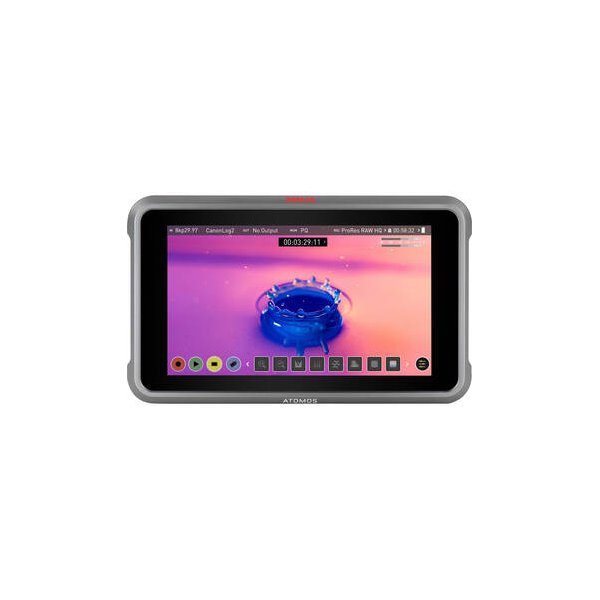
Atomos Ninja 5.2" 4K HDMI Recording Monitor
Atomos
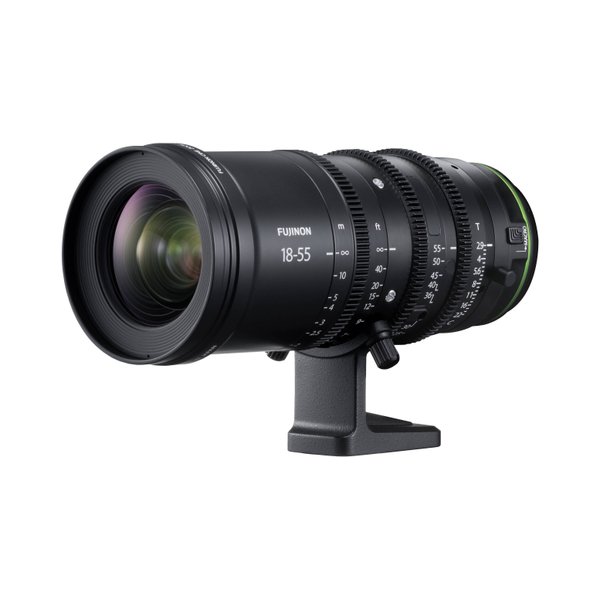
FUJIFILM MKX18-55mm T2.9 Lens (FUJIFILM X)
FUJIFILM
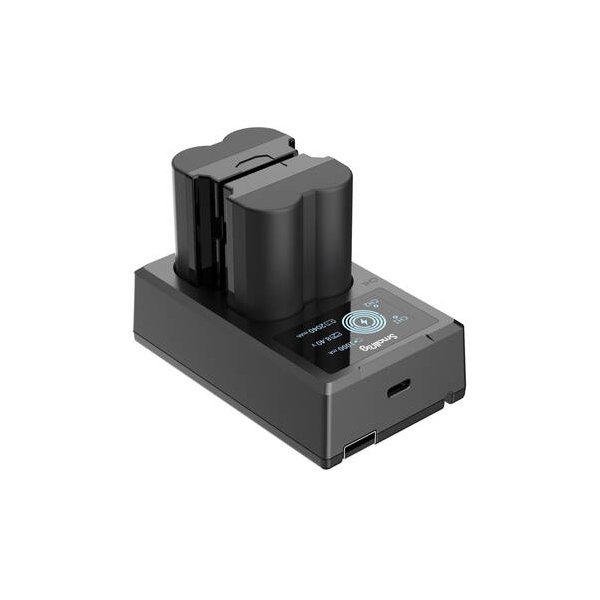
FUJIFILM NP-W235 Lithium-Ion Battery (7.2V, 2200mAh)
FUJIFILM
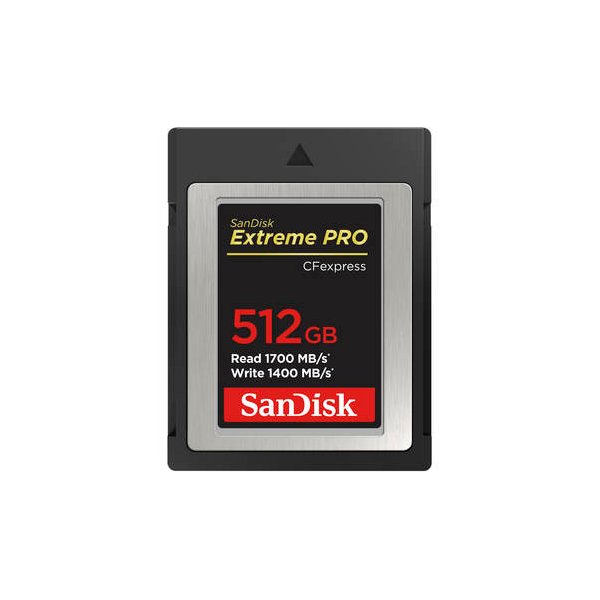
SanDisk 512GB Extreme PRO CFexpress Card Type B (2-Pack)
SanDisk
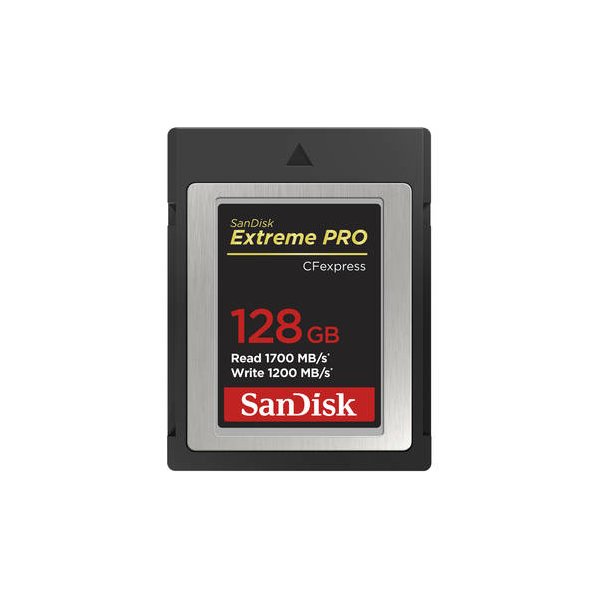
SanDisk 512GB Extreme PRO CFexpress Type B Memory Card
SanDisk
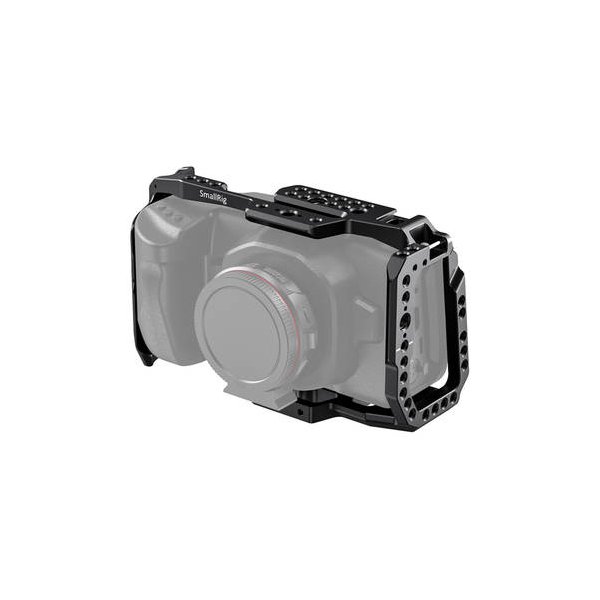
SmallRig Full Camera Cage for FUJIFILM X-T5
SmallRig
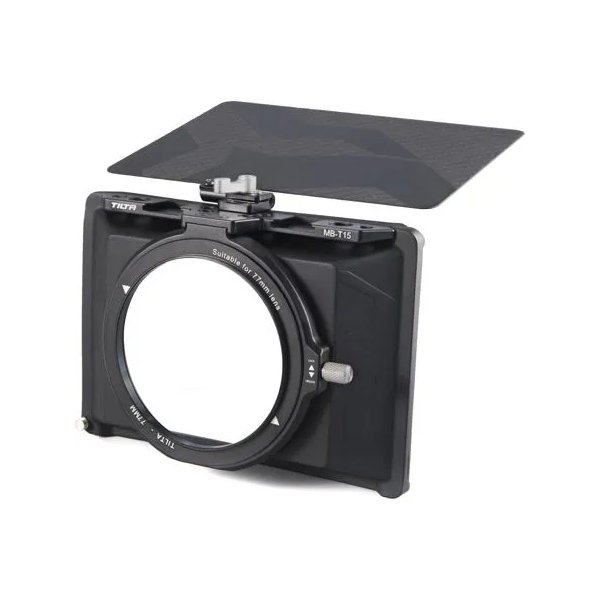
Tilta Mini Matte Box
Tilta
Related comparisons
The X-H2 prioritizes resolution with 8K, while the X-H2S excels in speed and high frame rates with its stacked sensor.
See full comparison X-H2 vs a7 IVThe Fujifilm X-H2 excels in high-resolution video with ProRes, while the Sony a7 IV offers superior full-frame low-light performance.
See full comparison X-H2 vs X-T5The Fujifilm X-H2 is built for serious video production with ProRes, while the X-T5 excels as a compact, stills-first hybrid.
See full comparison