Specs at a glance
Summary
For filmmakers prioritizing high-end internal codecs, robust autofocus, and a larger sensor for better low-light performance, the Fujifilm X-H2S is the clear choice, offering internal Apple ProRes and 4K 120p. However, if a compact M4/3 ecosystem, built-in live streaming, and a proven color science like V-Log L are paramount, the LUMIX GH5 II remains a highly capable and cost-effective workhorse.
Which would you pick?
Vote once per day — come back tomorrow to vote again.
Highlights
X-H2S
- Sensor & Image Quality: 26.1MP APS-C Stacked BSI CMOS sensor delivers superior detail and faster readout speeds.
- Video Codecs: Internal Apple ProRes (422 HQ, 422, 422 LT) for professional-grade post-production workflows.
- High Frame Rates: Records 4K up to 120p for exceptional slow-motion capabilities.
- Autofocus: Hybrid (Phase Detection and Contrast Detection) with AI subject detection for reliable tracking.
- Dynamic Range: Offers ~14 stops with F-Log2, providing extensive grading latitude.
LUMIX GH5 II
- Form Factor & Lenses: Micro Four Thirds sensor enables a significantly smaller, lighter lens ecosystem.
- Live Streaming: Features built-in wireless live streaming capabilities for direct broadcast.
- Color Science: Includes V-Log L gamma profile, a staple for Panasonic cinema cameras, for flexible grading.
- Stabilization: 5-axis Sensor-Shift, Dual I.S. 2 provides up to 6.5 stops of effective image stabilization.
- Cost-Effectiveness: Significantly lower MSRP at $1699, offering great value for its feature set.
The trade-off
Choosing the Fujifilm X-H2S means giving up the compact M4/3 lens ecosystem and integrated wireless live streaming. Choosing the LUMIX GH5 II means giving up the larger APS-C sensor's low-light performance and internal ProRes recording.
Best for…
Professional Video Production
Fujifilm X-H2S
internal ProRes and 6.2K resolution for high-end deliverables.
Run-and-Gun Filmmaking
Fujifilm X-H2S
superior hybrid AF and IBIS for unpredictable shooting conditions.
Live Event Streaming
LUMIX GH5 II
integrated wireless live streaming for direct broadcast to platforms.
Compact Travel Setup
LUMIX GH5 II
smaller M4/3 lenses and body for lightweight, discreet kits.
Documentary
Fujifilm X-H2S
4K120p and robust codecs for flexible post-production.
What to pair it with
X-H2S
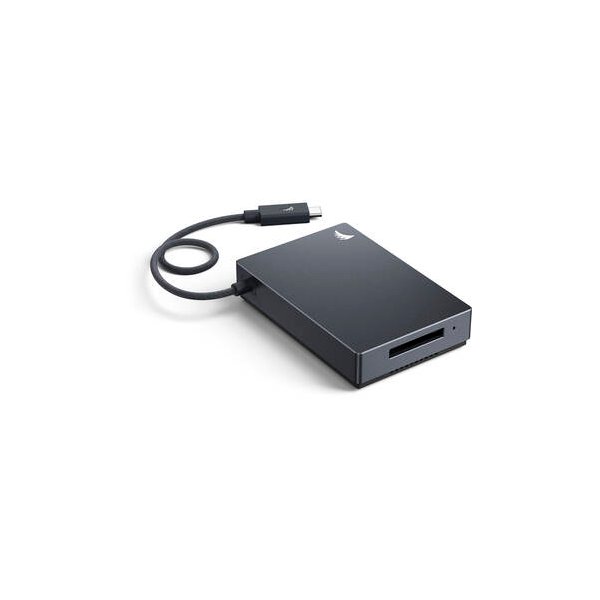
Angelbird 512GB AV PRO SE CFexpress v4 Type B Memory Card
Angelbird
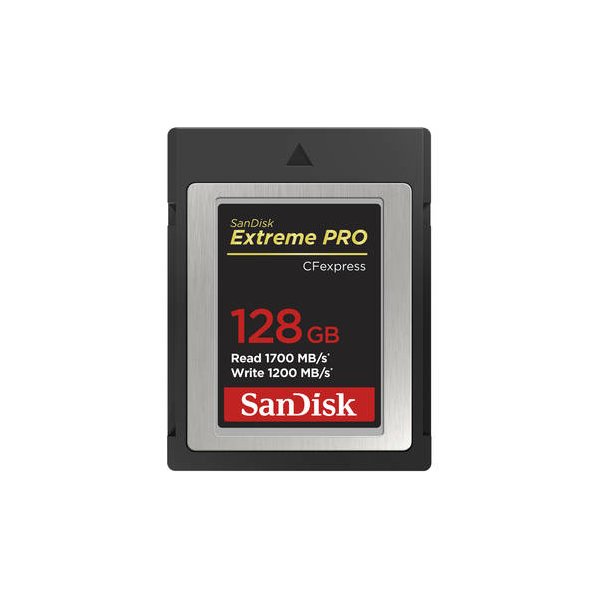
SanDisk 512GB Extreme PRO CFexpress Type B Memory Card
SanDisk
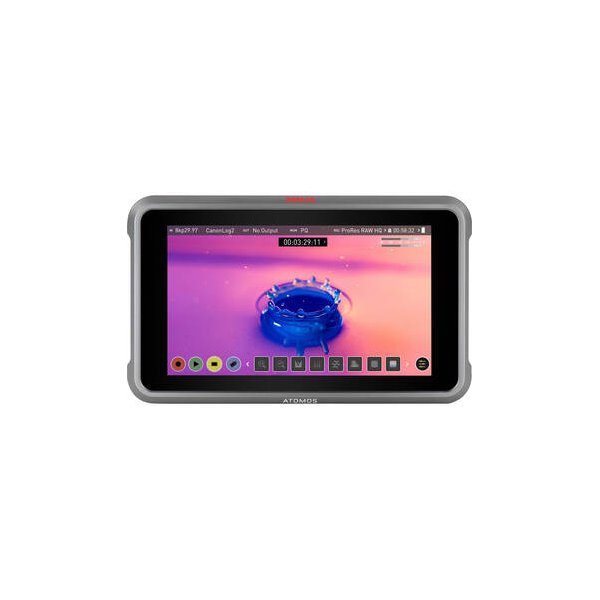
Atomos Ninja 5.2" 4K HDMI Recording Monitor
Atomos
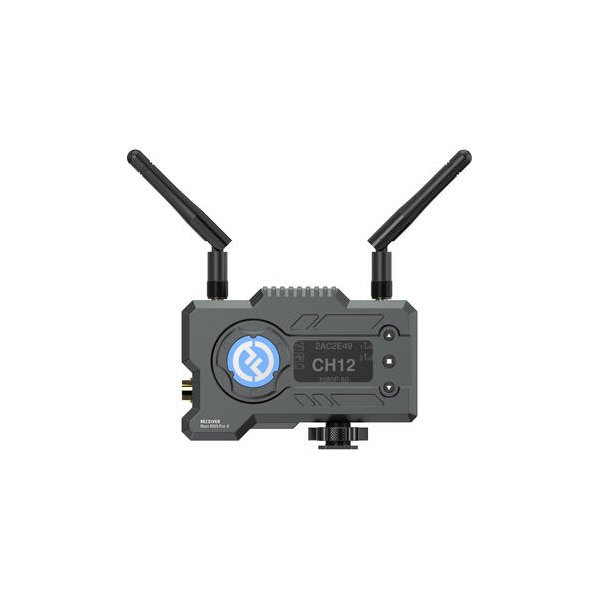
Hollyland Mars 400S PRO SDI/HDMI Wireless Video Receiver
Hollyland
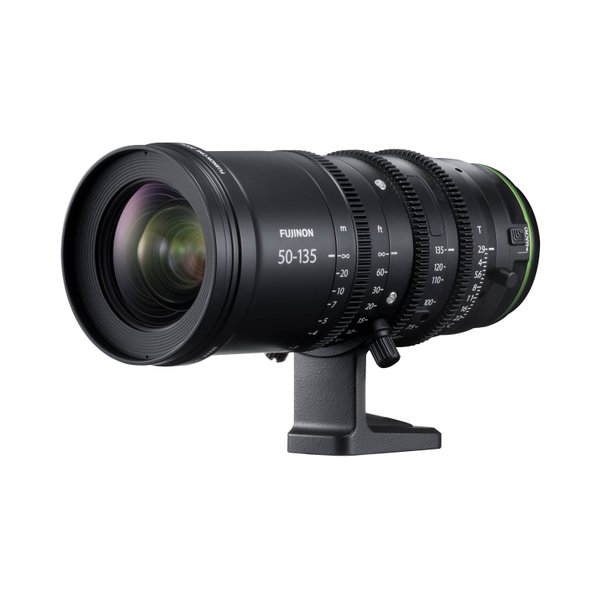
FUJIFILM MKX50-135mm T2.9 Lens (FUJIFILM X)
FUJIFILM
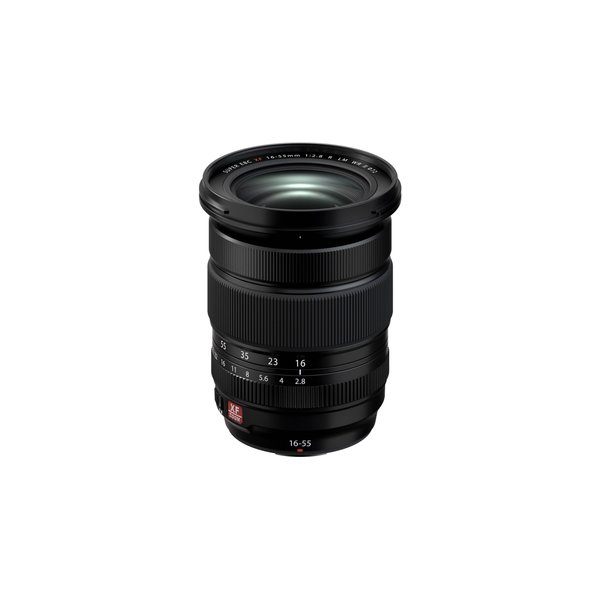
FUJIFILM XF 16-55mm f/2.8 R LM WR II Lens
FUJIFILM
LUMIX GH5 II
Atomos Ninja 5.2" 4K HDMI Recording Monitor
Atomos
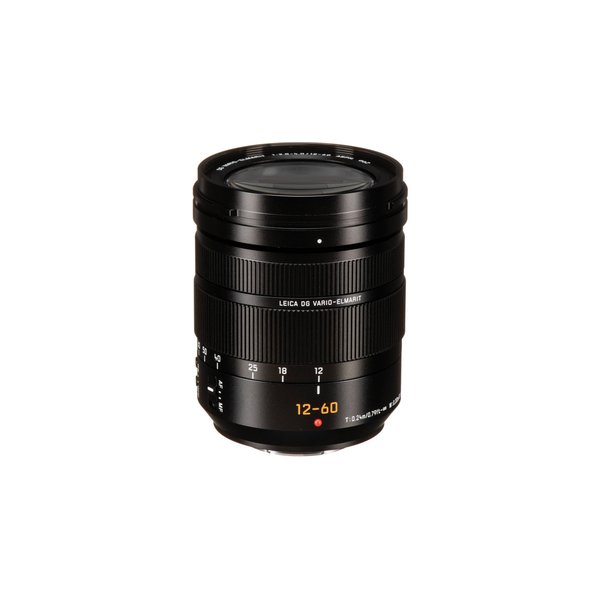
Panasonic Leica DG Vario-Elmarit 12-60mm f/2.8-4 ASPH. POWER O.I.S. Lens
Panasonic
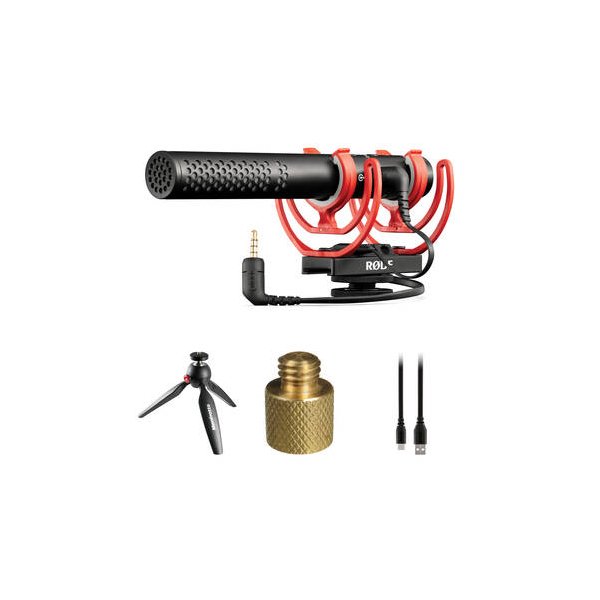
RODE VideoMic NTG Hybrid Analog/USB Camera-Mount Shotgun Microphone
RODE
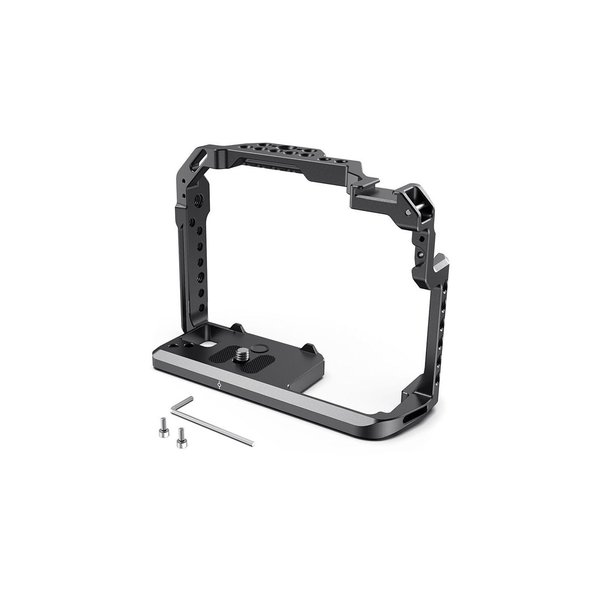
SmallRig Camera Cage for Panasonic GH5/GH5 II and GH5S
SmallRig
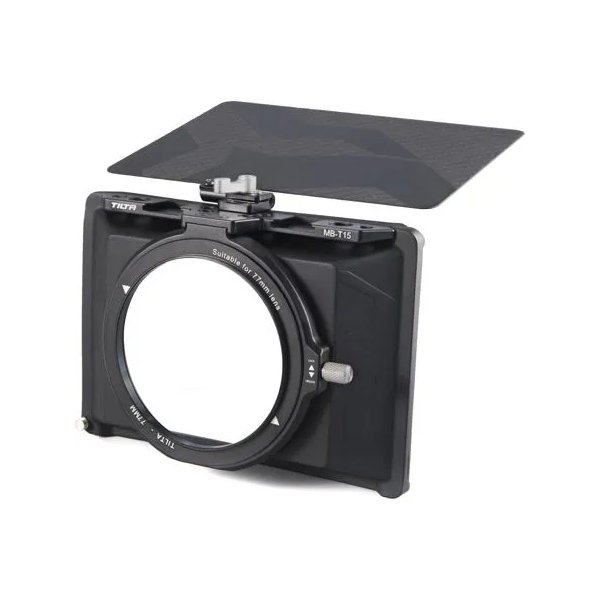
Tilta Mini Matte Box
Tilta
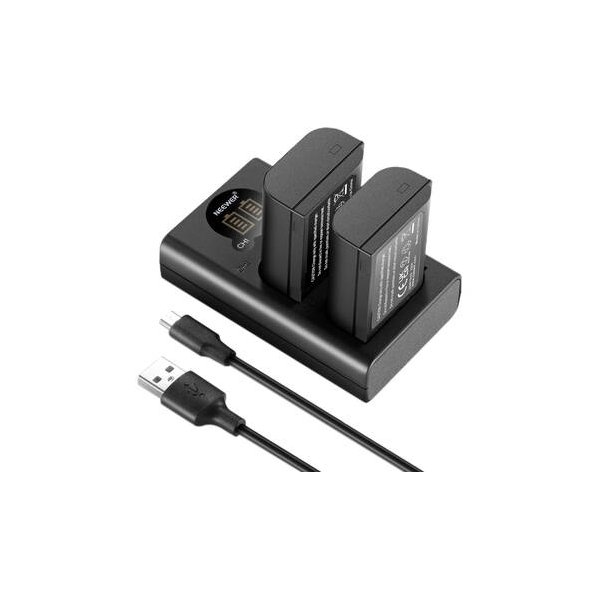
Watson DMW-BLK22 Lithium-Ion Battery Pack (2250mAh)
Watson